

Why Timing Matters in Trading
Trading Day
Time is one of the most overlooked factors in trading, it can play a critical role in determining success or failure. When traders ignore timing, they often find themselves reacting to the market instead of controlling their positions. This can lead to unnecessary risk and poor decision-making.
Understanding how time affects your trades can help you stay in control, reduce exposure, and build a more disciplined trading strategy.
How Ignoring Time Increases Trading Risk
Failing to consider timing can force you into difficult situations where your only choices are to either accept higher risk or exit a trade prematurely. In both cases, the market dictates your actions, not something every trader should aim to avoid.
Let’s look at common scenarios where traders unintentionally put themselves at the mercy of the market.
-
Trading Without Awareness of Major News Events
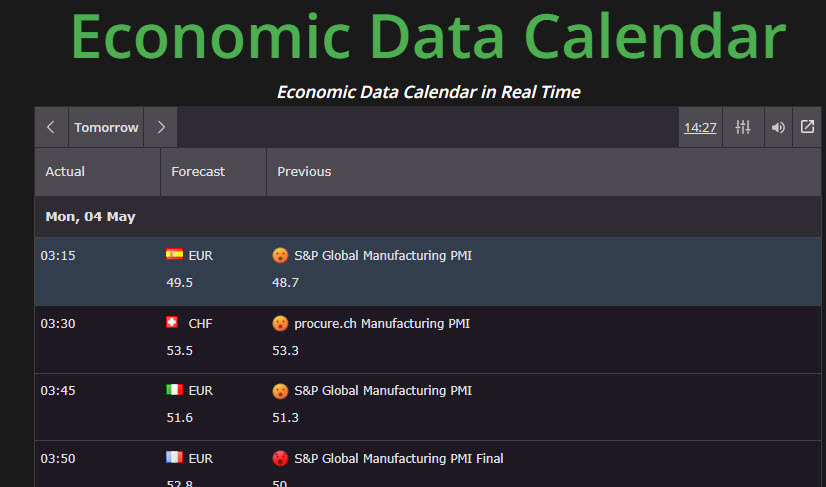
One of the biggest mistakes in trading is solely looking at charts and ignoring scheduled economic events like central bank decisions or key data releases.
Markets often become highly volatile ahead of and after these announcements, especially given a tendency of news algos to produce sharp reactions.. If you enter a trade based solely on technical analysis without considering upcoming news, you may find yourself trapped in a position when volatility spikes.
At that point, your options are limited:
- Hold the trade and accept unpredictable risk
- Exit early and potentially take a loss
Neither is ideal. Smart traders always factor in the economic calendar as part of their risk management approach.
Global-View Economic Calendar

-
Trading Against the Trend Without Staying Power
Another way traders lose control is by trading against the prevailing market trend without enough flexibility.
When you go against momentum, the market can move further than expected. If your stop-loss is tight, you may be forced out quickly. If it’s too wide, you may be taking on more risk than the trade justifies.
In this situation, time works against you. Instead of allowing your trade to develop naturally, you’re relying on the market to reverse quickly, an uncertain and risky expectation.
Strong traders prioritize setups where they have “staying power,” allowing time for the trade to play out without excessive pressure.
Chasing the Next Flash: How Headlines Drive Financial Markets
-
Holding Trades Into the Weekend Without a Plan
Timing also becomes critical toward the end of the trading week.
Opening or holding positions late on Thursday can create pressure on Friday—especially if you don’t intend to keep trades open over the weekend. If the market moves against you, you may run out of time before markets close.
This creates a difficult choice:
- Close the trade before the weekend and lock in a loss
- Hold and face potential gaps or unexpected news
Effective trading strategies account for weekend risk and adjust position sizing or timing accordingly.
Take Control: Trade with Intention, Not Hope
Successful trading isn’t about guessing—it’s about control. When you plan your entries, exits, and timing carefully, you stay one step ahead of the market.
Once you rely on hope or luck, you’ve already lost control of your strategy.
To avoid this:
- Always consider timing alongside price action
- Be aware of economic events and market conditions
- Align trades with your risk tolerance and timeframe
Improve Your Trading Performance
If you want to improve your trading performance in, start treating time as a core part of your decision-making process. Markets are unpredictable, but your preparation doesn’t have to be.
The goal is simple: stay in control of your trades—don’t let the market control you.
